The Truth About Pressure Washing Tile and Metal Roofs
Homeowners across Brisbane Northside frequently face the challenge of keeping their roofs free from unsightly mould, algae, and lichen. Given the region's humid subtropical climate, organic growth thrives rapidly on residential rooftops from Chermside to North Lakes. However, a common misconception persists that the fastest, most effective way to restore a roof is to blast it with standard high-pressure water. In reality, applying aggressive pressure to roofing surfaces can lead to severe structural and aesthetic damage, void manufacturer warranties, and shorten the lifespan of your property’s first line of defence.
Tile Roofs: The Risks of High-Pressure Cleaning
Concrete and terracotta tiles are durable roofing materials, but they are not impervious to mechanical damage caused by excessive water pressure. While concrete tiles feature a protective coating and slurry layer designed to repel water and UV radiation, uncalibrated pressure cleaning can strip this layer away. Once the coating is compromised, the porous concrete beneath absorbs moisture, accelerating biological regrowth and leading to premature degradation.
Terracotta tiles, while naturally more resistant to moisture absorption due to vitrification, are often brittle. High-pressure streams can dislodge, crack, or completely break older tiles. Furthermore, high-pressure washing can damage the ridge capping mortar and flexible pointing, allowing water to penetrate the roof cavity during severe Brisbane storm seasons.
The Danger of Water Ingress Under Tiles
A major hidden danger of pressure cleaning tile roofs is water ingress. The overlap design of roof tiles is engineered to shed gravity-fed rainwater running down the roof pitch. Pressurised water directed upward or across the tile laps forces water underneath the tiles, soaking the sarking, ceiling insulation, and plasterboard beneath. This can lead to internal ceiling damage and toxic mould cultivation inside the home.
Metal and Colorbond Roofs: Why Soft Washing is Essential
Metal roofing, particularly Colorbond steel, is a staple of modern architecture throughout Brisbane Northside. Manufacturers specifically formulate Colorbond with a multi-layered protective system, including a corrosion-resistant metal base, a conversion coating, an epoxy primer, and an exterior baked-on finish. Using high-pressure washing on these surfaces presents unique risks:
- Chalking and Finish Degradation: Excessive pressure can degrade the topcoat, stripping away the exterior gloss and leaving a powdery, chalky residue that drastically reduces aesthetic appeal.
- Compromised Fasteners: High-pressure water can dislodge or deteriorate the neoprene washers on roofing screws, creating microscopic leak pathways around structural fixings.
- Forced Seam Penetration: Water forced beneath the overlapping laps of corrugated or standing-seam profiles can pool in unvented joints, promoting crevice corrosion over time.
- Warranty Invalidation: Major Australian steel manufacturers often specify that cleaning must involve low-pressure washing to maintain warranty compliance.
The Modern Standard: Low-Pressure Soft Washing
As roofing technology and exterior maintenance practices have evolved in 2026, the professional industry standard has shifted decisively toward soft washing. Rather than relying on abrasive mechanical force, soft washing uses specialised, eco-responsible surfactant solutions applied at gentle, garden-hose pressures. These solutions neutralise https://damienzzbj375.almoheet-travel.com/a-guide-to-energy-efficient-cool-roofs-in-subtropics algae, lichen, and mould spores at their root systems rather than merely shearing them off the surface.
Once the biological matter is treated, low-pressure rinsing effectively washes away residue without disturbing tile integrity, stripping factory coatings, or dislodging ridge pointing. Because the spores are eradicated chemically rather than spread mechanically, soft-washed roofs typically stay clean up to three times longer than roofs cleaned with high pressure alone.
Best Practices for Brisbane Northside Property Owners
Proximity to Moreton Bay means that Brisbane Northside properties also accumulate airborne salt deposits alongside regular organic grime. Managing these regional conditions requires a balanced and informed approach to exterior maintenance.

- Schedule Periodic Inspections: Have your roof inspected every 18 to 24 months for cracked tiles, degraded pointing, or accumulated organic buildup before small issues become storm-season leaks.
- Prioritise Chemical Efficacy Over Pressure: Ensure any roof maintenance plan relies on approved biodegradable cleansing agents rather than equipment exceeding 1,000 PSI on roofing surfaces.
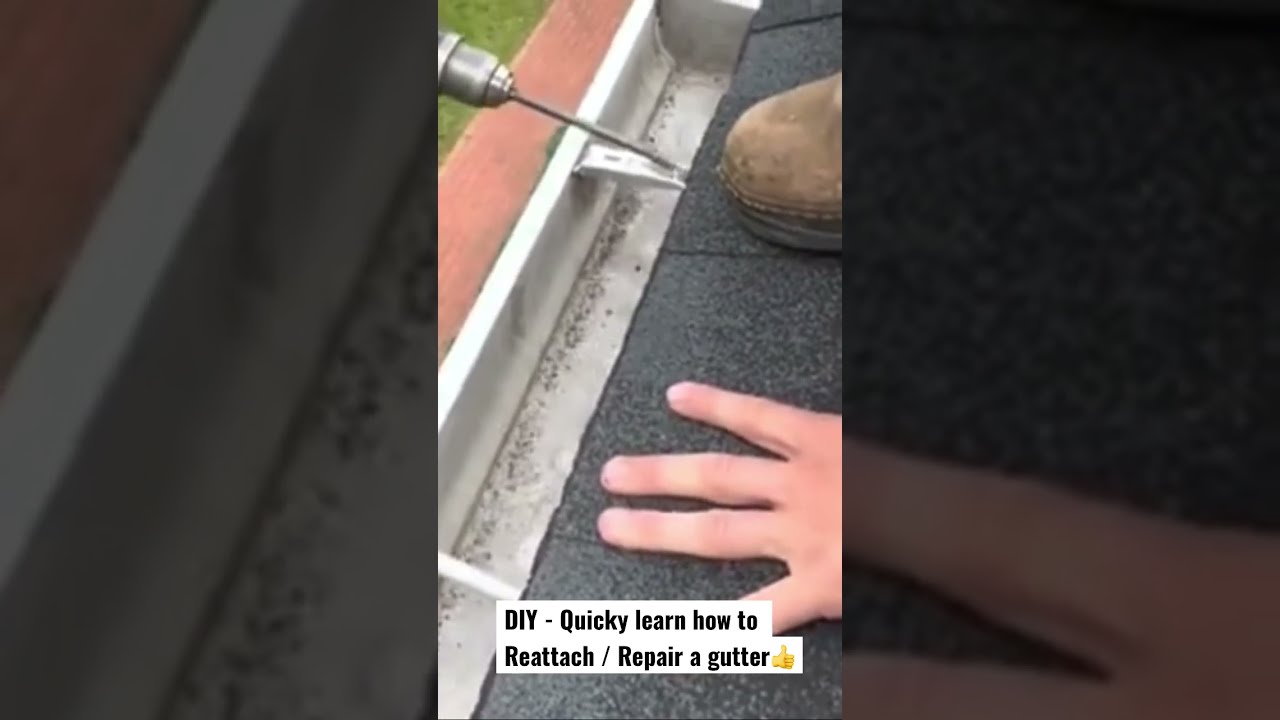
- Ensure Gutter and Downpipe Isolation: During cleaning treatments, verify that downpipes are temporarily disconnected or routed away from rainwater collection tanks to preserve household water quality.
Understanding the truth about roof cleaning methods prevents costly structural repairs and preserves the street appeal of your home. Whether managing a traditional tiled Queenslander or a contemporary Colorbond build, low-pressure surface care remains the safest, most durable approach for Brisbane properties.
Brisbane Northside Roof Restoration
Unit 3/3 Harvton St, Stafford QLD 4053
(07) 3130 0990
Ends · GREGORYVJOE811